Jakarta's "Water" Dilemma: Where Does Wastewater Go When the City Is Sinking?
- release date: 2026-03-27 13:57:09
- author: Hongtai Huairui
- Reading: 1040
- key words: Jakarta / groundwater over-extraction / land subsidence / direct sewage discharge / low pipeline network coverage / decentralized sewage treatment / intelligent integrated equipment / water environment management
Have you ever wondered where the domestic wastewater generated daily in a cosmopolitan city of over ten million people ultimately ends up?
In Jakarta, the answer may be alarming. More than 96% of the rivers flowing through the city are severely polluted. Walking through the bustling streets, it’s hard to imagine that the groundwater beneath our feet is being over-extracted, causing the entire city to sink at an astonishing rate. At the heart of this issue lies a critical problem: the city’s sewage network coverage is only about 2%, among the lowest in Asia.
This is not alarmism. The data reveal a real Jakarta trapped by its "water" problem.
When "Sewers" Become a Luxury
- The “Free-Roaming” Wastewater
In Jakarta, the vast majority of households are not connected to the city’s sewer system. The quality of septic tanks varies, and the "greywater" from kitchens and bathrooms (about 80% of domestic wastewater) is almost entirely discharged into rivers and drainage ditches without treatment. This wastewater, carrying detergents, grease, and various pollutants, clogs the city’s "capillaries" along with solid waste, turning the rivers into veritable "black water rivers."
- Overdrawn Groundwater
Since municipal tap water only meets the needs of about 40% of the population, the remaining 60%, especially numerous commercial and industrial users, rely on deep wells to extract groundwater for daily use. This has led to severe over-extraction. Recent inspections found that more than a third of buildings in the city cwenter are illegally tapping into groundwater. When water is removed, the ground inevitably subsides, casting a persistent shadow over the city.
- The “Double Gap” in Funding and Management
Why can’t it be solved? One key reason is money. In earlier years, Indonesia’s per capita investment in sewage infrastructure was extremely low, far from sufficient to support large-scale network construction. Meanwhile, sewage management responsibilities are scattered across multiple departments, and after decentralization, funds and responsibilities were not aligned. Even ambitious flagship projects like the Jakarta Sewerage System (JSS), planned through 2035 with huge costs, face long construction periods and major spatial impacts, making it difficult to benefit all communities in the short term.
A Possible Alternative Beyond Traditional Solutions
Facing Jakarta’s complex urban fabric—dense housing, narrow alleys, and massive funding gaps—one option is to wait for the long-delayed centralized network to reach every doorstep. Another is to seek a more flexible, faster, and sustainable solution.
Imagine a system that can:
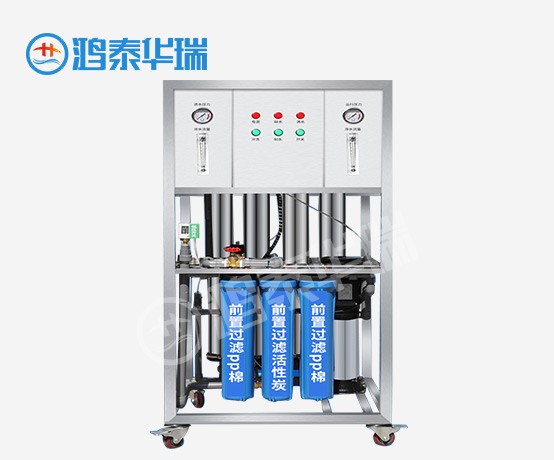
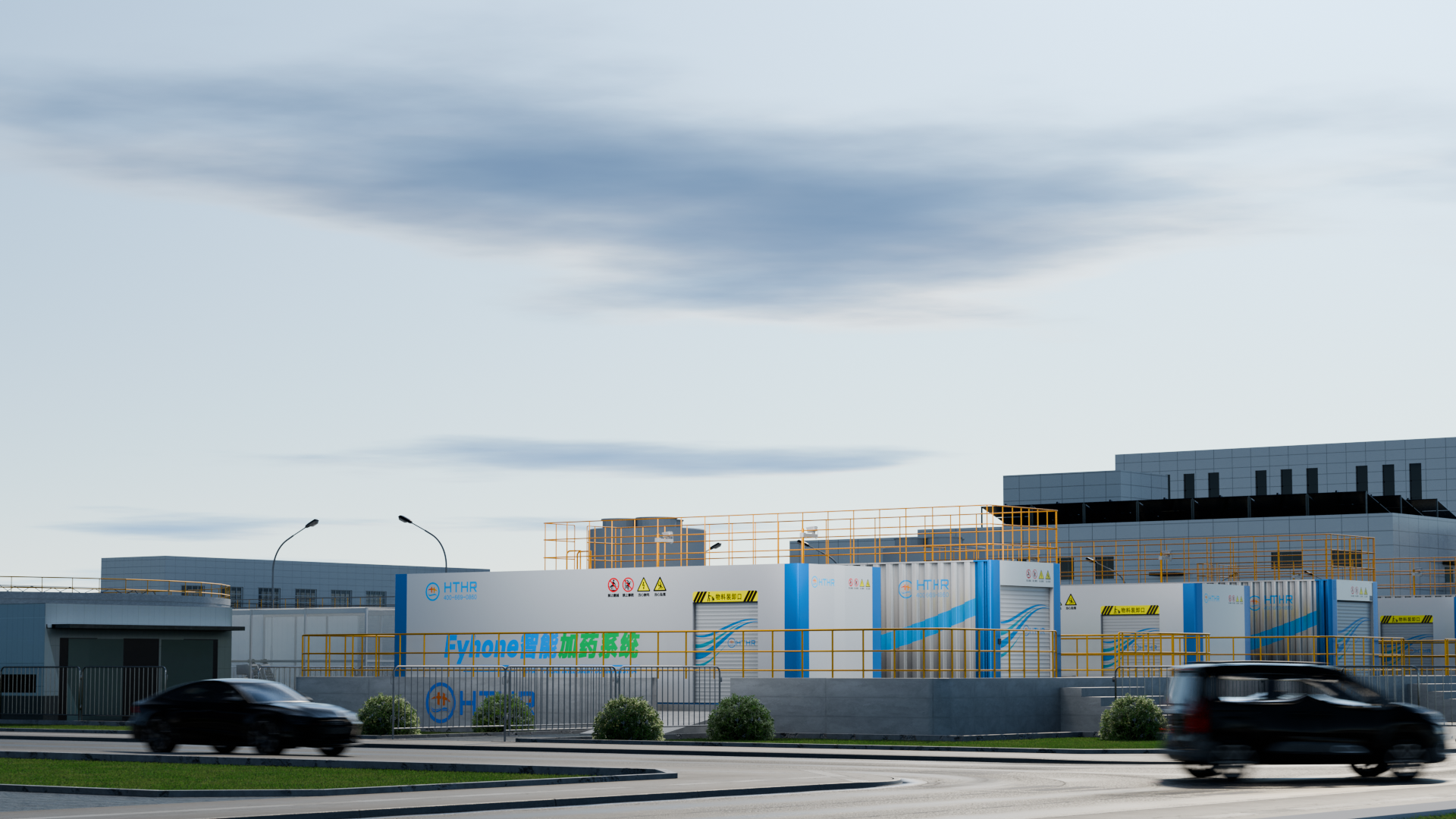
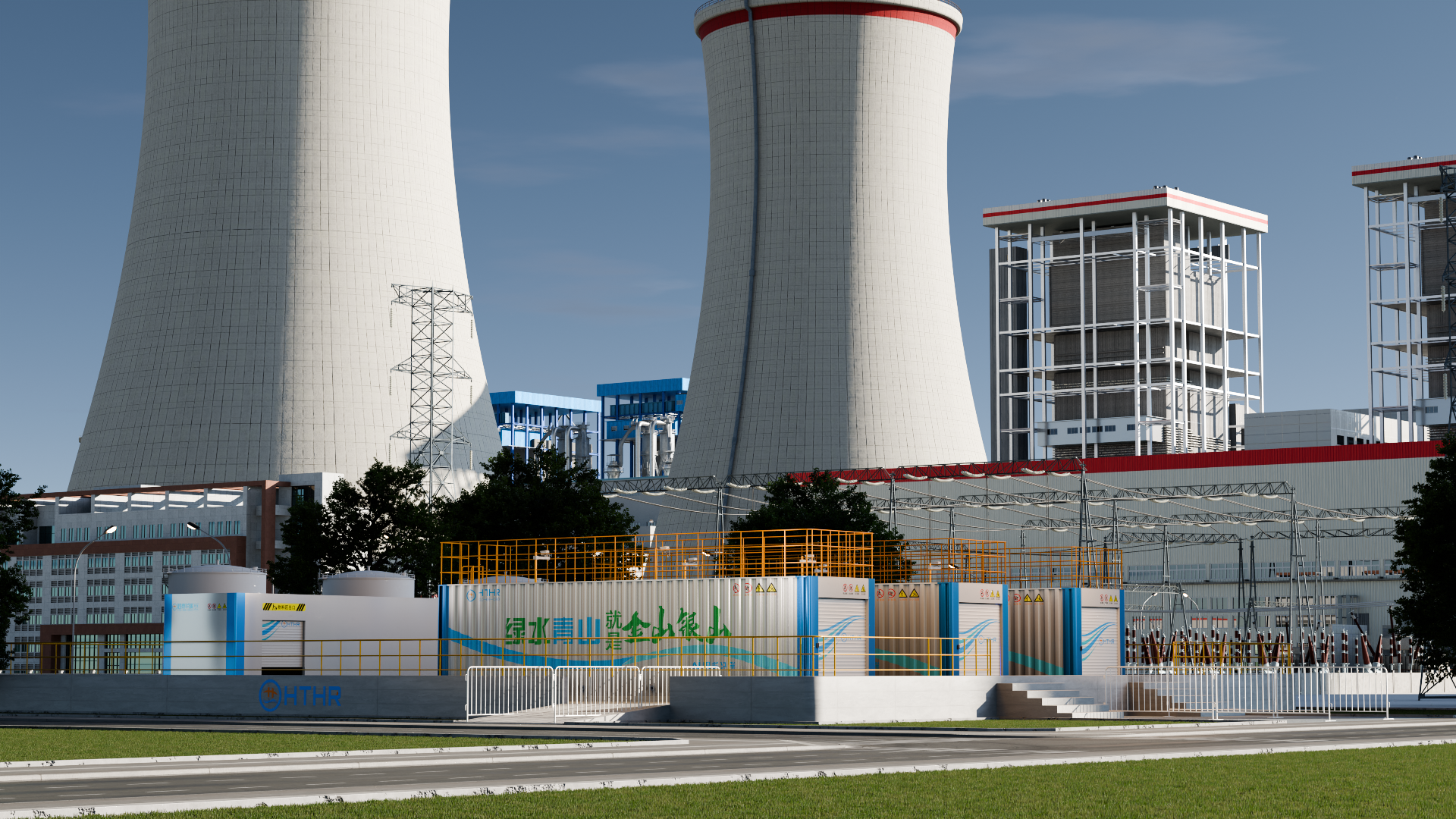
Handle wastewater locally without relying on long pipelines: Miniaturize a wastewater treatment plant into an intelligent, integrated device placed directly in communities or factories. It occupies little space, is quick to build, and can immediately cut off the direct discharge of wastewater into rivers.
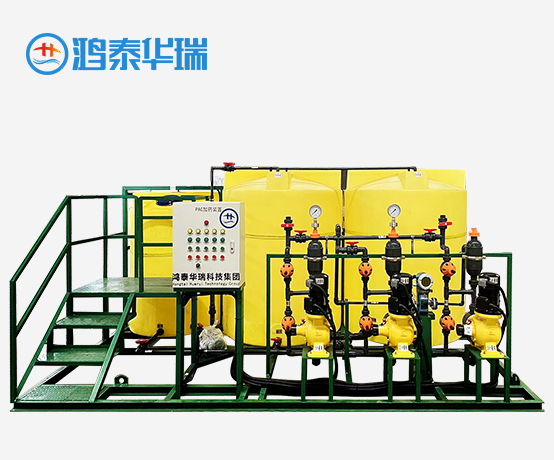
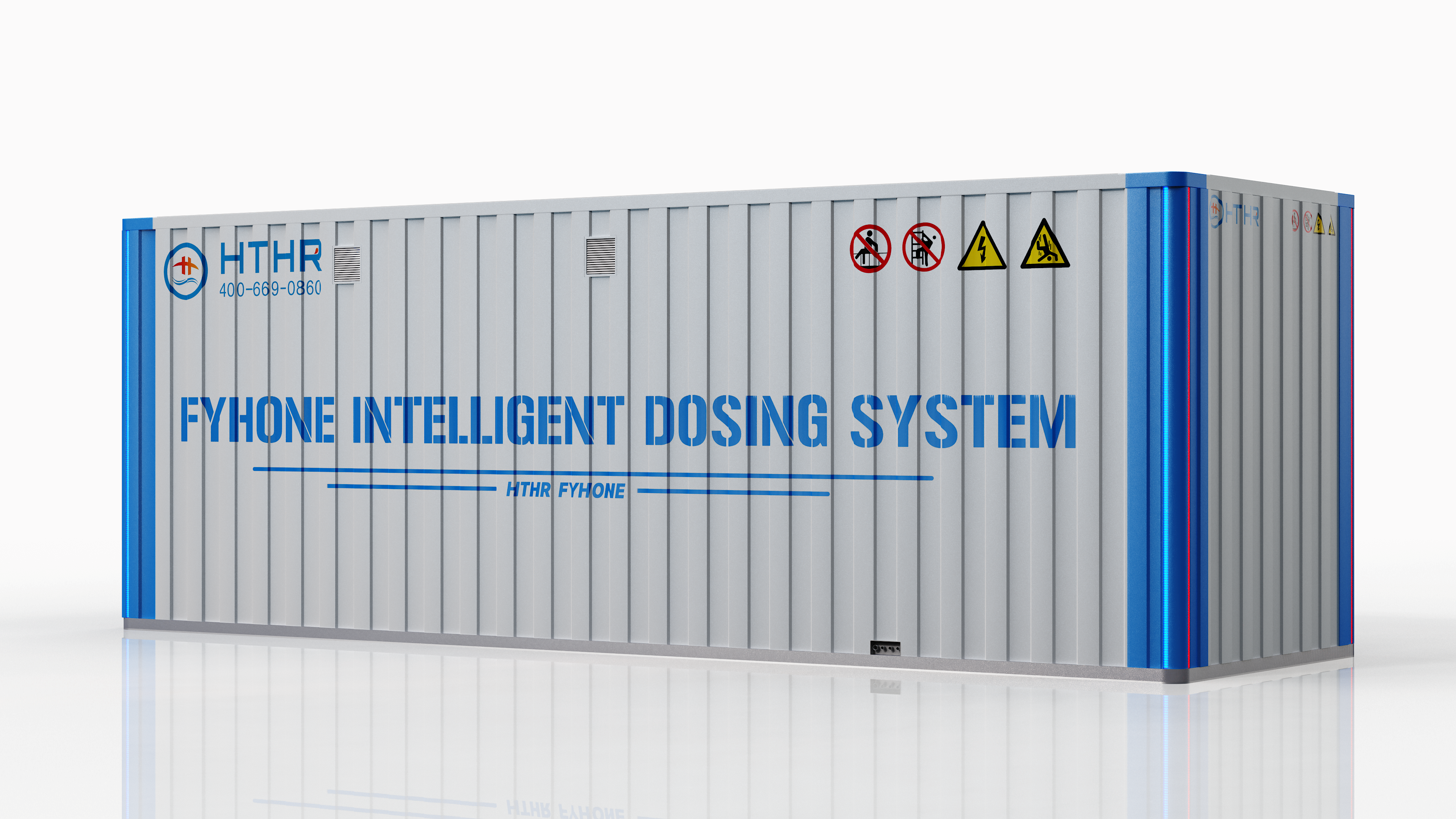
Manage chemicals like an “unmanned supermarket”: Water treatment requires precise dosing, but traditional manual dosing is inaccurate and labor-intensive. An intelligent dosing system can monitor water quality in real time, automatically calculate and dispense the optimal chemical amount, ensuring treatment effectiveness while avoiding waste.
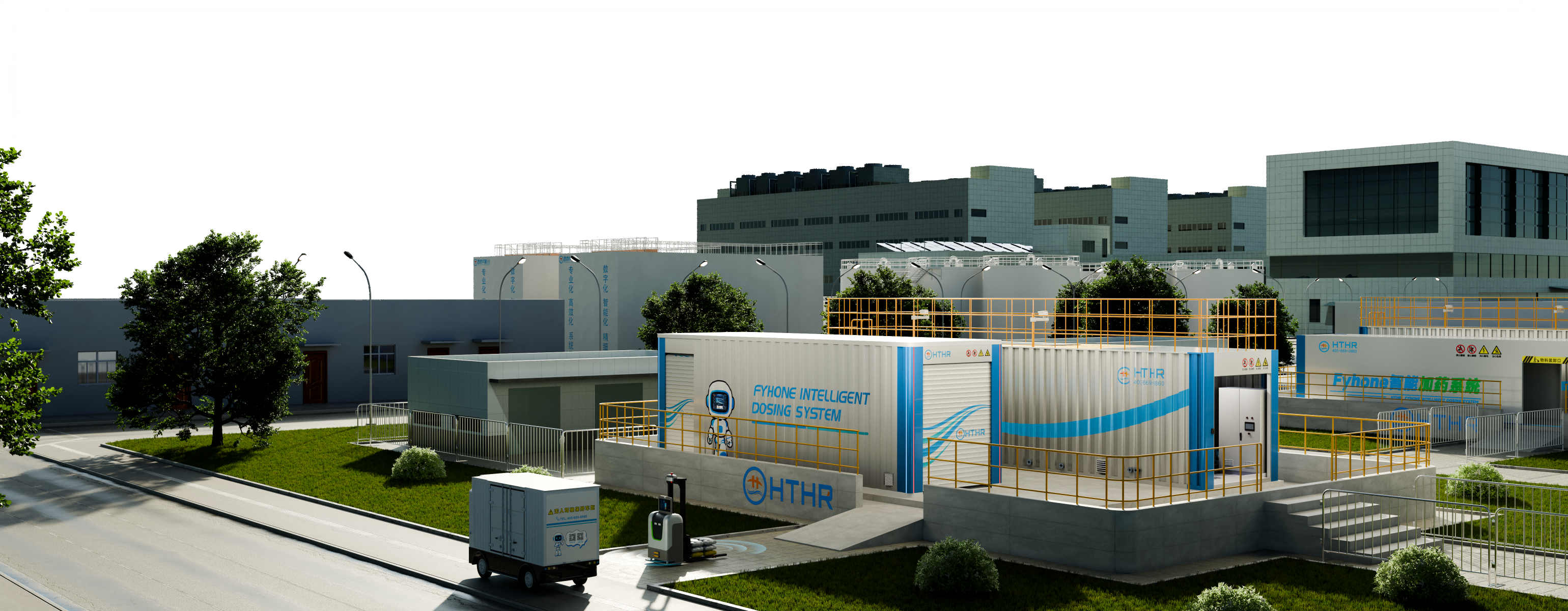
Deliver the last mile using “robots”: The chemicals and consumables needed for equipment operation no longer require manual transport. An unmanned delivery vehicle can follow a preset route, delivering supplies automatically and on time to dispersed stations, achieving truly unmanned management.
This creates a new wastewater treatment ecosystem composed of "people, vehicles, and machines." It doesn’t aim to replace Jakarta’s ambitious centralized sewer plans but provides an immediately viable, long-term supplemental solution for areas where the network does not yet reach or where funding is limited.
Why is this model more suitable for today’s Jakarta?
It aligns with the Indonesian government’s "community-led sanitation system (Sanimas)" approach, encouraging communities to organize themselves to solve local sanitation issues.
Solving the “last mile” problem: Rather than spending huge costs to lay kilometers of underground pipes in densely populated areas, it’s better to decentralize treatment to communities, commercial areas, or industrial zones, bypassing the reality of low network coverage.
Addressing the “greywater vacuum”: Greywater in Indonesia is several times more than blackwater but is hardly treated. This integrated equipment can treat greywater and blackwater together, reducing river pollution at its source.
Matching the reality of “limited funds, phased investment”: Compared to large-scale projects requiring billions in one go, decentralized solutions need lower initial investment and can be gradually implemented using PPP models or a combination of community self-funding, government subsidies, and corporate services. This fits the government’s long-term strategy to attract private capital and ease fiscal pressure.
Simplifying operations and maintenance: In a context of fragmented management and lack of skilled personnel, a system that can "operate automatically, dose automatically, and replenish automatically" greatly reduces post-installation operational difficulties. It transforms community wastewater stations from idle projects into self-sustaining “micro-factories.”
Conclusion
Jakarta’s “water” problem is a microcosm of global urban challenges. It requires both visionary macro-level planning and flexible grassroots innovation. We are not just talking about a device or a system but a new governance concept: turning wastewater treatment from an “invisible municipal project” into a “tangible environmental service.”
As the city’s pulse beats on a sinking ground, at least we can ensure that every drop of used water finds a safe, clean home.





 hthrjt2017@gmail.com