Solving Manila's Sewage Dilemma: Hongtai Huarui's Smart Transformation, from Network Gaps to Full Coverage Intelligent Operation and Maintenance
- release date: 2026-03-30 17:00:22
- author: Hongtai Huairui
- Reading: 337
- key words: Manila/Manila Bay/Greater Manila/Philippines/urban wastewater treatment/low sewage network coverage/septic tank leakage and overflow/elevated E. coli/artificial chemical dosing errors/shortage of skilled technicians/strict nitrogen and phosphorus discharge standards/unstable water quality/difficulty in chemical supply/traffic congestion/high operation and maintenance costs/last mile of wastewater treatment
Stand by Manila Bay for a while, and you’ll understand why the city’s sewage problem has lingered unresolved—not because no one cares, but because it’s genuinely hard to manage.
The Clean Water Act came into effect in 2004, with clear penalties, including criminal liability for severe cases. Yet E. coli levels in Manila Bay are still three times the safety limit. Between law and reality lies a very tangible wall.
That wall is called the “last mile.”
Sewage networks don’t reach everywhere, so wastewater keeps flowing.
Manila produces over 2 million cubic meters of sewage daily. But coverage of sewage networks in the east and west districts is only 16% and 8%, respectively. Where does the rest go? Into more than 2 million septic tanks. Many of these tanks are single-chambered, lack impermeable layers, and haven’t been pumped for years. When full, they overflow into drainage channels, eventually reaching rivers and the bay.
Centralized sewage treatment plants are important. Maynilad, in partnership with Suez, is building the Manila Central Treatment System, with a daily capacity of 180,000 cubic meters, set to operate in 2027—a major investment. But such projects have a fundamental limitation: their effectiveness depends on the network. Without pipes, even the best plant won’t receive sewage. Marikina’s coverage at 81% is exceptional; many other cities don’t even reach 20%. In places without network coverage, sewage still flows untreated.
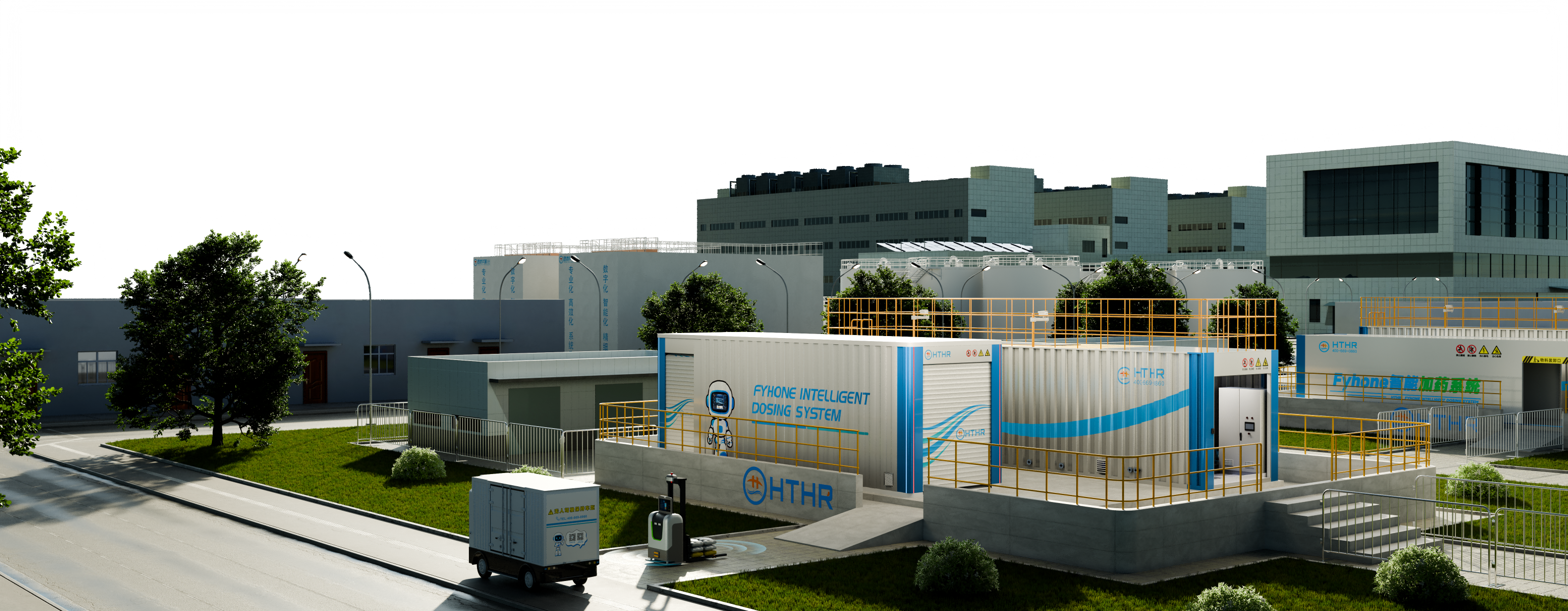
FyhoneOS Intelligent’s integrated sewage treatment equipment tackles this issue—no need to wait for networks; the equipment is deployed directly. Communities, markets, hospitals, industrial areas—anywhere sewage is produced can have a treatment node installed. Biochemical treatment, sedimentation, disinfection—all in one system, producing compliant effluent. Manila’s city boundaries are uneven, and its population is dispersed, so this modular deployment method is much faster and more practical than waiting for network expansion.
Chemical dosing is trickier than expected.
One often-overlooked step in sewage treatment is chemical dosing. Flocculants, phosphorus removers, disinfectants—how much, when, and how they are added directly affects the final water quality.
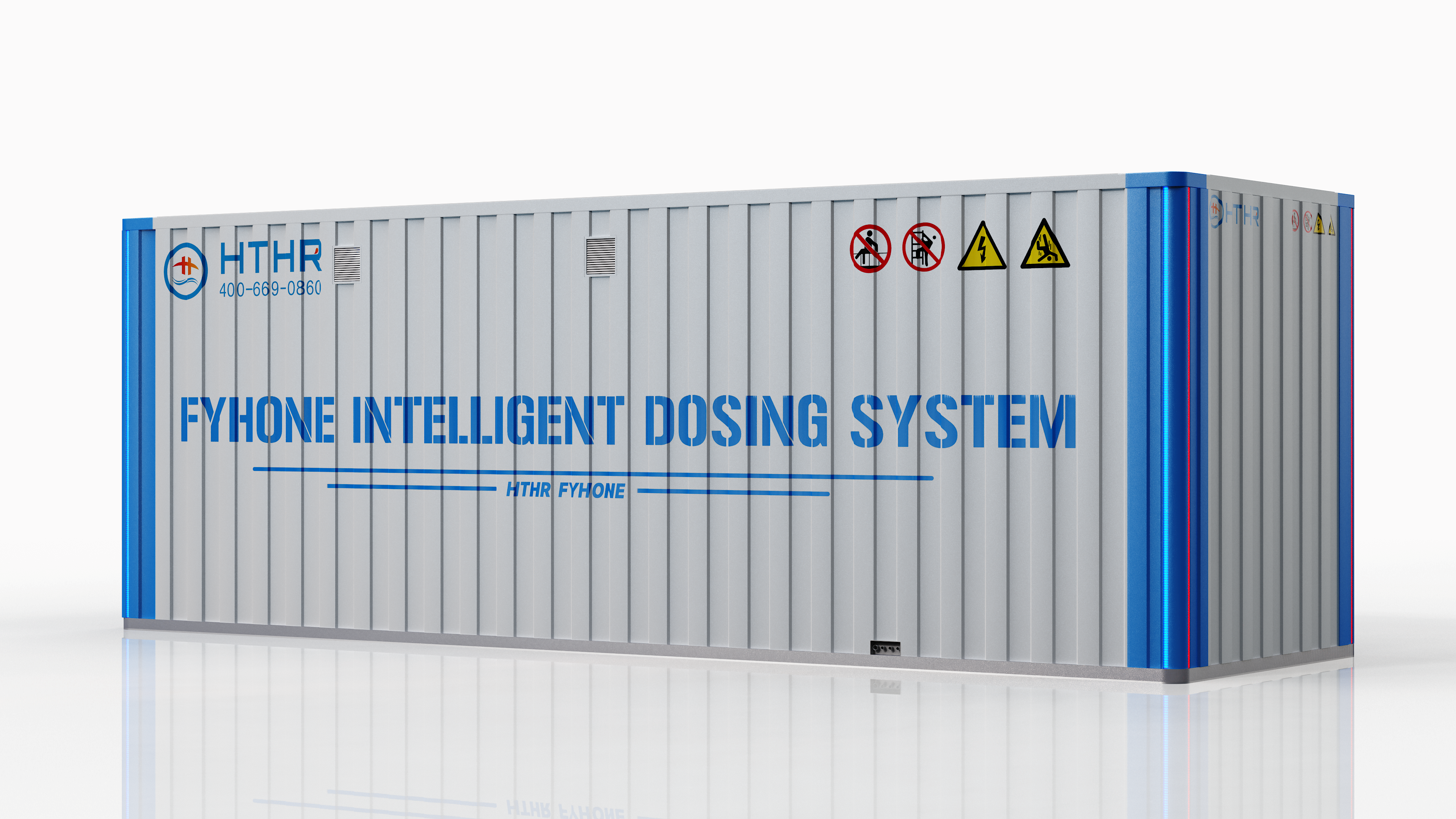
The problem is, traditionally this relies entirely on humans: inspections, judgments, and valve adjustments. The Philippines already faces a shortage of skilled workers, so if dosing staff change or are absent, this step essentially runs on guesswork. In 2016, the Philippines tightened nitrogen and phosphorus standards for sewage. The window for nitrogen and phosphorus removal is narrow, and incoming water quality frequently fluctuates due to illegal discharges or stormwater inflow. Human monitoring is simply unreliable.
Hongtai Huari’s intelligent dosing equipment takes a different approach—removing the “judgment” from humans and assigning it to sensors and algorithms. pH, turbidity, ammonia, total phosphorus—monitored and responded to in real time. When water quality changes, the dosing automatically adjusts. This isn’t a “pseudo-automation” that sticks to preset programs; it genuinely adapts. Operators don’t need to watch the equipment—the system runs itself.
The most easily overlooked problem: getting chemicals delivered.
Once sites are dispersed, a new challenge arises—how to replenish chemicals?
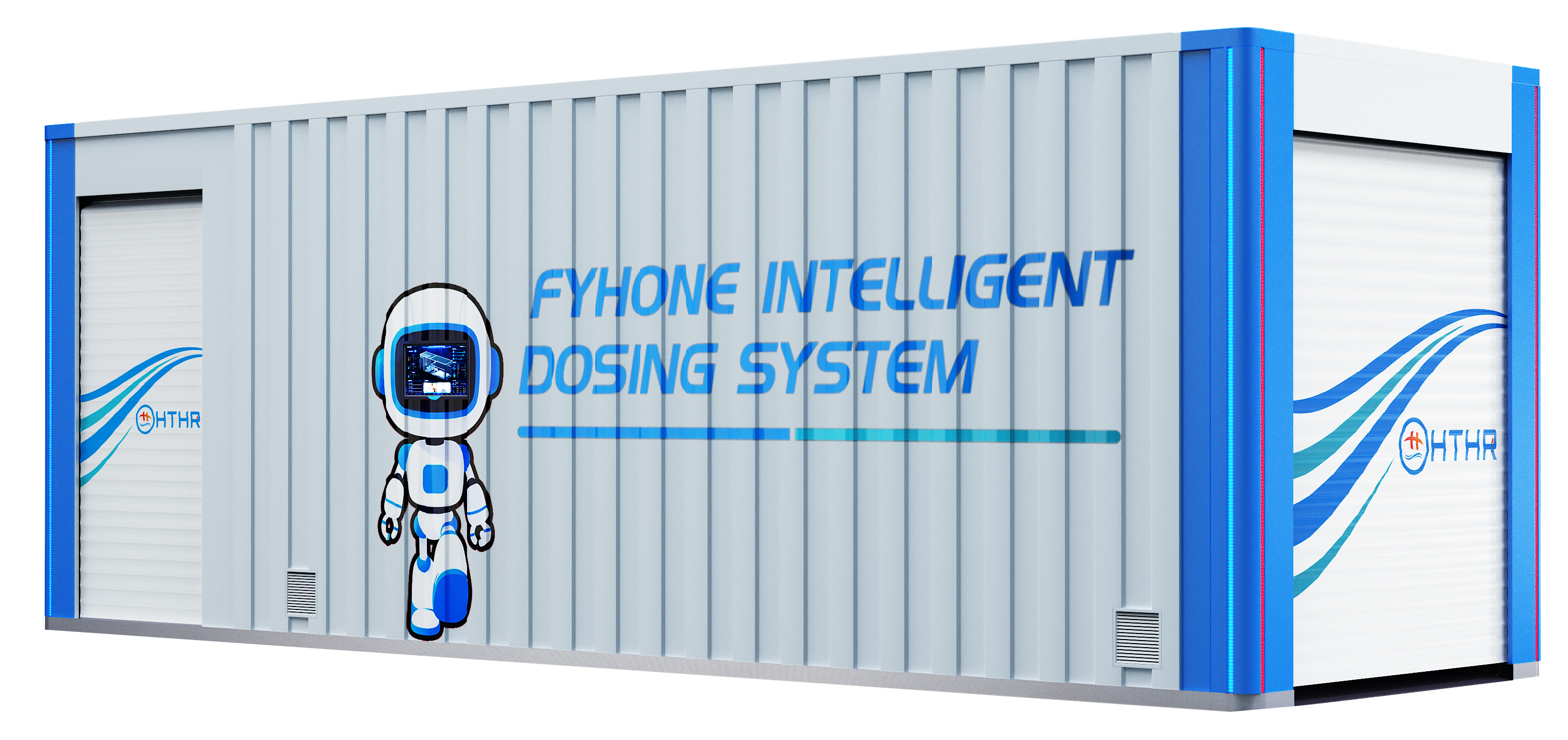
One site is manageable, with someone delivering chemicals periodically. But with dozens or hundreds of nodes spread across the city, chemical supply becomes a logistics problem: scheduling, recording, preventing shortages or waste. Manila traffic is notorious; even a few kilometers can take hours during rush hour, making delivery times unpredictable.
Autonomous chemical delivery vehicles solve the “last segment” of the last mile. When inventory nears a threshold, the dosing system triggers a resupply request. The autonomous vehicle plans its route, delivers independently, and records everything—without human intervention or a dedicated dispatch. It can travel during off-peak hours, avoid traffic jams, and make resupply a predictable, traceable, standardized action.
Three things together form a running closed loop.
Looking at these three products together, the logic is clear:
- Integrated treatment equipment solves the coverage problem—where the network doesn’t reach, the equipment goes first.
- Intelligent dosing equipment solves the precision problem—humans can’t monitor everywhere, so algorithms do.
- Autonomous delivery vehicles solve the operational continuity problem—humans can’t supply everywhere, so automation does.
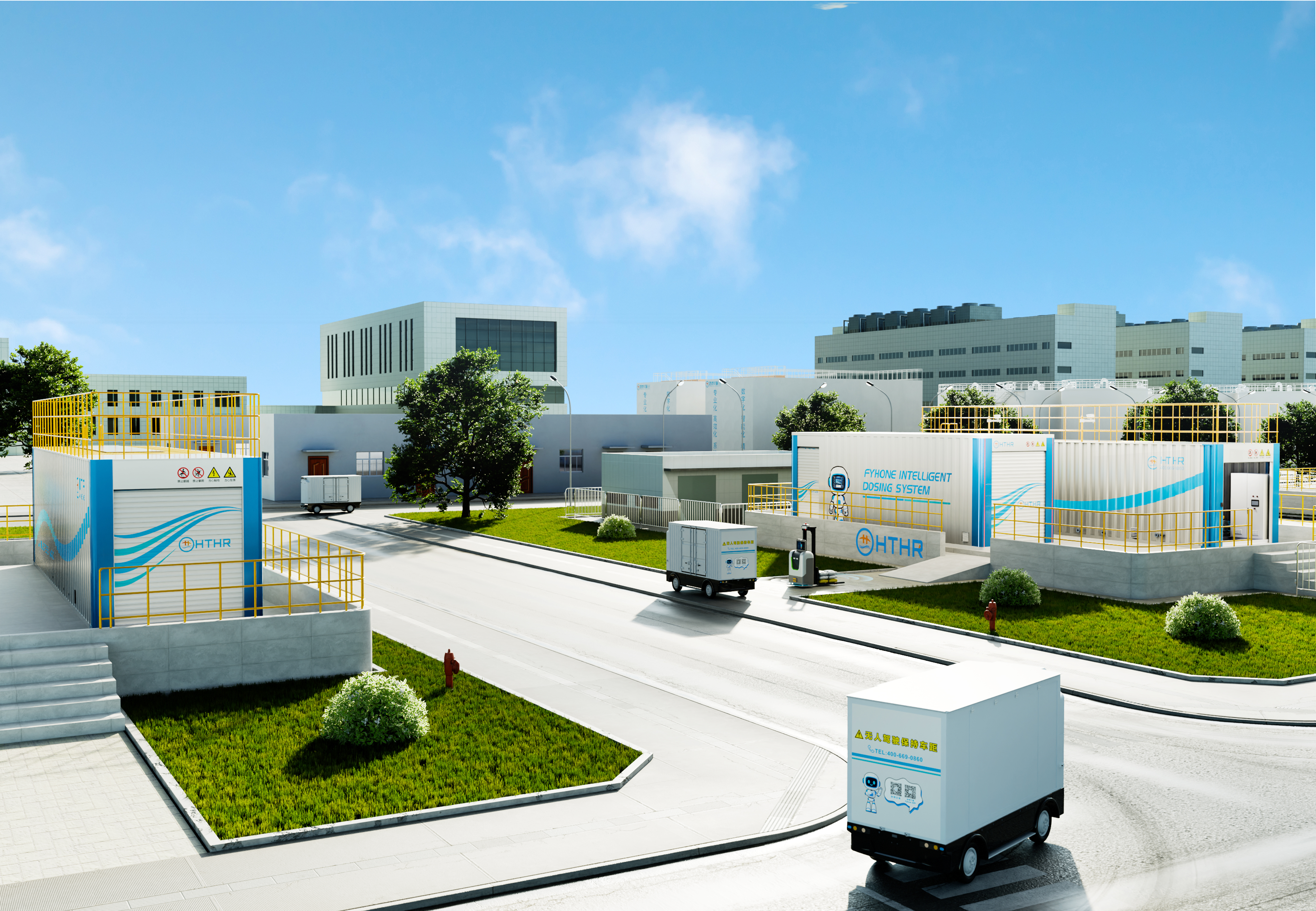
When these three steps are combined, they form a sewage treatment system that can actually operate in Greater Manila. Separately, each only addresses part of the problem; together, they break through the “last mile” wall.
The Philippines has set a deadline of 2037 for franchise holders, requiring residential areas, hospitals, markets, and commercial centers to be fully integrated into the sewage treatment system. With just over ten years left, the gap between current coverage growth and the target is still significant.
That gap is where the problem lies—and also why there’s an opportunity to act.





 hthrjt2017@gmail.com