Kuwait is one of the countries under the greatest water resource pressure in the world. Its annual renewable freshwater resources per capita are only about 5 cubic meters, far below the global average of 1,700 cubic meters. The World Resources Institute has rated its water depletion index at over 3,850%, classifying it as “extremely high water stress.” However, in this country with almost no natural surface water, daily per capita water consumption reaches as high as 447 liters, ranking among the highest globally. Government subsidies cover approximately 92% of water production costs, completely insulating consumers from the true scarcity of water resources.
This paradox forms the starting point for understanding Kuwait’s wastewater treatment market.
Wastewater: Kuwait’s indispensable “second water source”
Faced with a natural scarcity of freshwater, Kuwait has developed a three-pillar water supply structure: desalination accounts for 49%, wastewater reuse 29%, and groundwater extraction 22%. Reclaimed water is no longer a marginal supplement but a structural pillar of water security.
Kuwait generates approximately 536 million cubic meters of wastewater annually, of which 90.3% enters treatment systems. About 47% of the treated water reaches reverse osmosis (RO) quality, while the rest meets advanced tertiary treatment standards. The Sulaibiya Wastewater Treatment Plant uses a combined membrane bioreactor (MBR) and ultrafiltration/reverse osmosis process, with a daily capacity of 600,000 cubic meters, making it one of the largest membrane-based wastewater treatment facilities in the world. The Umm Al-Hayman Wastewater Treatment Plant, which began operations in February 2024, has a daily capacity of 500,000 cubic meters and serves approximately 1.7 million people. It is the first private wastewater treatment project implemented under the 2014 Public-Private Partnership Law.
From a technological perspective, Kuwait’s centralized wastewater treatment capacity is on par with any developed country. However, the problem does not lie in technology.
Five Structural Pain Points
Despite having world-class central treatment facilities, Kuwait’s wastewater treatment industry faces five overlapping systemic obstacles that cannot be solved by a single large-scale project.
First, the absence of a wastewater charging mechanism. Kuwait has yet to establish a dedicated wastewater treatment fee system, making it impossible to recover treatment costs through market mechanisms. The industry relies heavily on government fiscal allocations, weakening incentives for sustained investment and depriving technological upgrades of an internal economic driver.
Second, aging pipeline networks alongside coverage gaps. Existing networks suffer significant transmission losses, while urban expansion far outpaces pipeline construction. Newly built residential areas, industrial parks, hotels, and commercial complexes often become operational before being connected to the network, creating a structural issue where centralized systems cannot promptly cover continuous, dispersed discharge sources.
Third, continuous fluctuations in influent water quality. Kuwait’s coastal geography leads to periodic seawater infiltration into sewer networks, while industrial wastewater introduces unpredictable organic load variations. Together, these factors frequently push traditional equipment—reliant on static process parameters—to the risk of exceeding discharge standards, significantly raising the technical threshold for stable operations.
Fourth, lengthy cross-departmental approval processes. Major infrastructure projects must go through multiple layers of approval across different authorities, with implementation cycles often exceeding a decade. The Umm Al-Hayman plant, for example, took more than ten years from initiation to operation in February 2024. This reality makes it difficult for large centralized projects to respond quickly to localized needs.
Fifth, insufficient public acceptance of reclaimed water. Public trust in the safety of reclaimed water has not been fully established, particularly in scenarios such as irrigating edible crops or high-contact public green spaces. This directly limits the speed and scale of reclaimed water adoption and is a key reason why about 31% of treated effluent is not effectively utilized.
These five pain points reinforce one another, ultimately manifesting as a quantifiable gap: nearly 30% of treated effluent is wasted annually, while coastal eutrophication and red tide phenomena continue to affect Kuwait’s marine ecosystem.
Policy Direction: Zero-Discharge Goals and Open Institutional Channels
Kuwait’s policy framework is systematically creating conditions to address these issues.
The 2013 Foreign Direct Investment Law allows foreign investors to hold up to 100% ownership in infrastructure sectors such as water supply and wastewater treatment, and established the Kuwait Direct Investment Promotion Authority (KDIPA) as a unified entry point. The 2014 Public-Private Partnership Law (Law No. 116) provides a comprehensive legal framework for private sector participation in public infrastructure. The “New Kuwait 2035” vision identifies a sustainable water environment as its fourth pillar, explicitly requiring zero discharge of treated wastewater into the sea. The Ministry of Public Works has already initiated upgrade plans for five existing wastewater treatment plants.
In 2025, Kuwait signed an agreement with China to build the North Kabd Wastewater Treatment Plant, with a daily capacity of 1 million cubic meters—the largest single wastewater treatment facility in Kuwait to date and a key milestone in deepening China-Kuwait water cooperation. At the same time, a bilateral memorandum of cooperation was signed, extending collaboration into low-carbon systems, renewable energy, waste recycling, and wastewater infrastructure, creating a favorable policy environment for Chinese companies entering Kuwait’s water sector.
Meanwhile, the market is expanding rapidly. Kuwait’s smart water management market has reached $420 million, and the government’s $1.8 billion smart city investment plan lists smart water systems as a core component. Across the Gulf Cooperation Council, the water sector is expected to grow at a compound annual growth rate of 14.36% from 2025 to 2030.
The Breakthrough Logic of Intelligent Integrated Equipment
The North Kabd plant’s 1 million cubic meters per day capacity represents Kuwait’s most tangible commitment to wastewater infrastructure—but even after its completion, the country’s structural issues will not automatically disappear.
Large centralized projects address backbone challenges but cannot quickly reach dispersed discharge points at the frontiers of urban expansion that are not yet connected to the network. This gap is not temporary; it will persist as a systemic issue alongside ongoing urban growth.
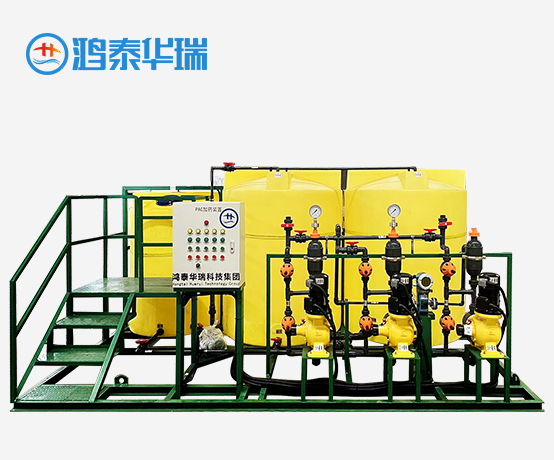
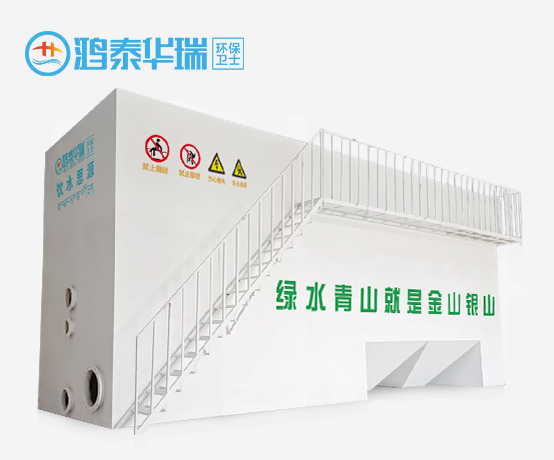
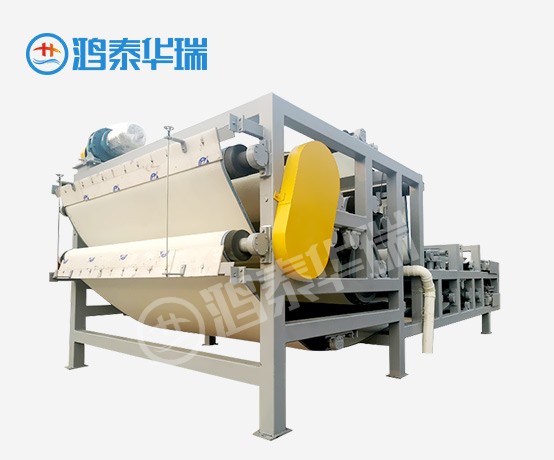
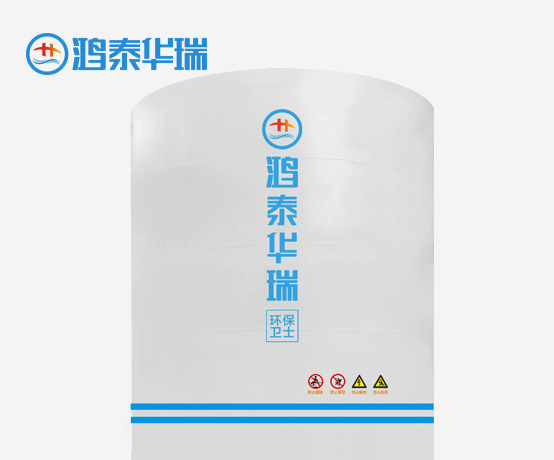
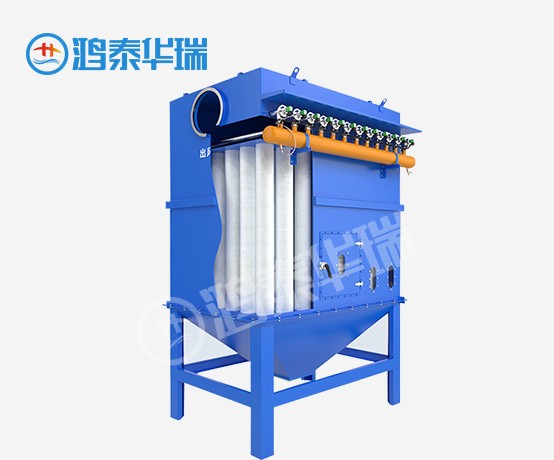
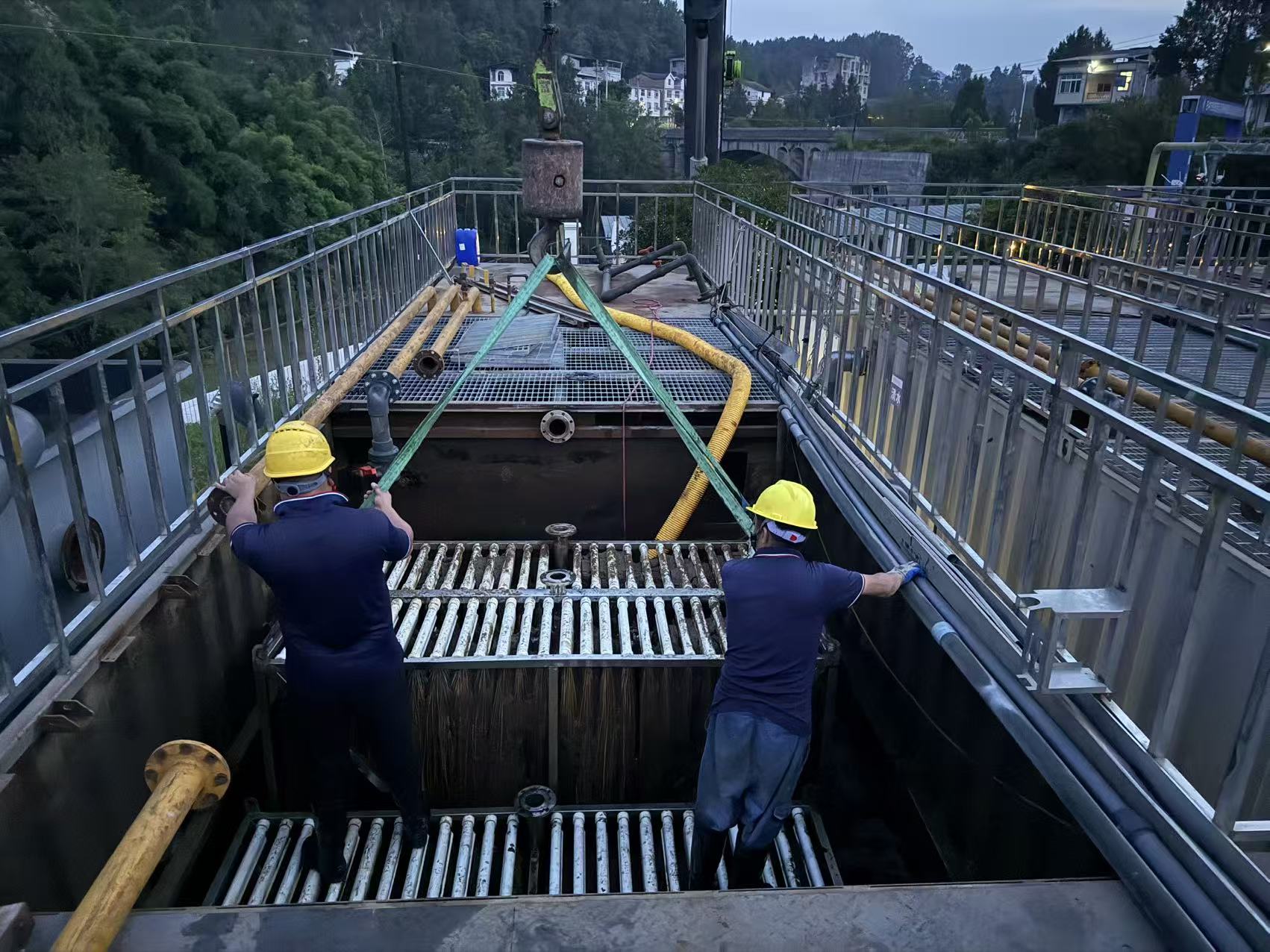
Hongtai Huarui’s intelligent integrated wastewater treatment equipment, equipped with the Fyhone AI system, is designed precisely to fill this gap. Its core value lies not in competing with large infrastructure but in complementing it: it can be rapidly deployed without extensive pipeline construction and has a short build cycle, making it particularly suitable for Kuwait’s long administrative approval timelines and fast-paced development of new urban areas.
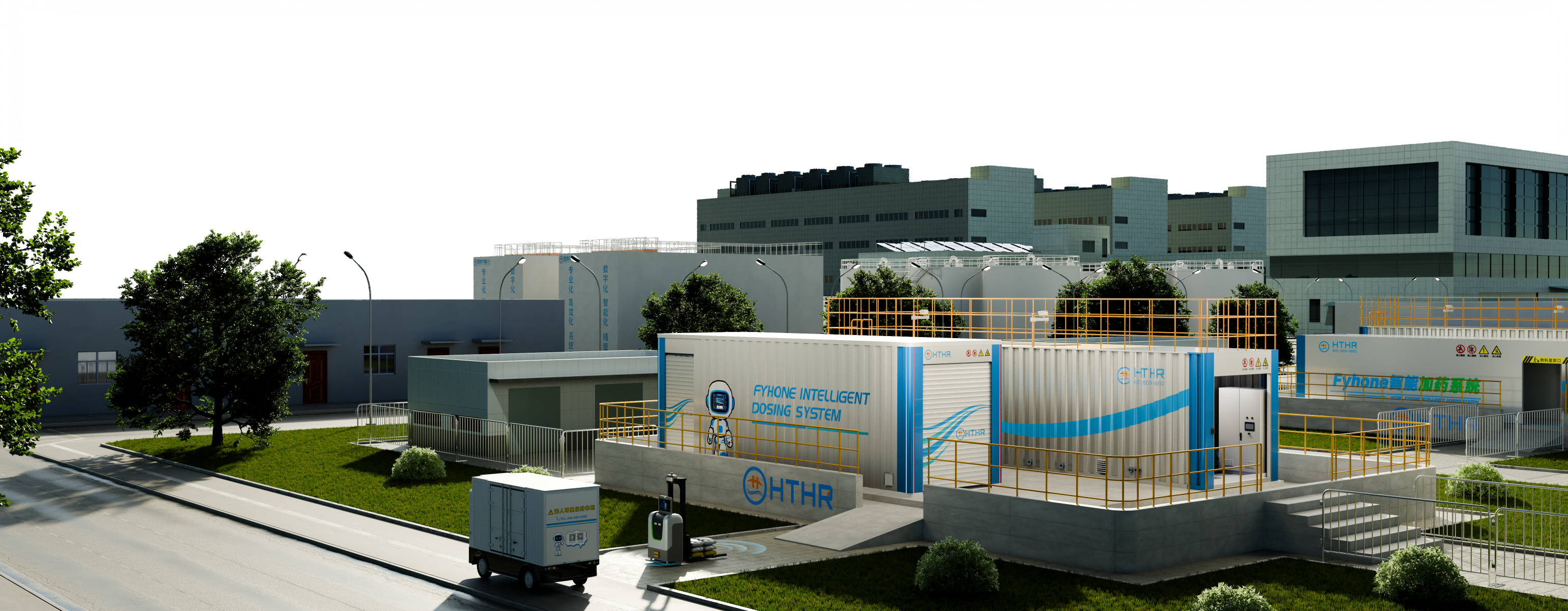
The Fyhone system’s adaptive regulation capability in response to influent water quality fluctuations directly addresses one of Kuwait’s most prominent operational challenges. Through real-time sensing and intelligent process optimization, it dynamically responds to sudden water quality changes caused by seawater infiltration or industrial wastewater mixing, maintaining compliant effluent without the need for on-site operators. This capability has dual value in Kuwait: technically, it solves operational stability challenges; socially, continuously verifiable compliant effluent records provide the strongest practical basis for rebuilding public trust in reclaimed water and promoting its large-scale use.
From a market entry perspective, while policy dividends from China-Kuwait cooperation create a favorable diplomatic backdrop, converting this into actual orders still requires implementable local demonstration projects and partnerships with local entities that have access to government resources. Replacing specification sheets with operating reference installations, and product promises with actual effluent data, is the fundamental path to building credibility in the Kuwaiti market.
Kuwait’s zero-discharge goal will not be automatically achieved by the completion of a few mega-scale wastewater treatment plants. Beyond centralized backbone projects, distributed intelligent treatment capacity capable of covering the expanding urban frontier represents the “last mile” from vision to reality.





 hthrjt2017@gmail.com