Egypt’s Water Crisis: Not Repair, but Intelligent Leap
- release date: 2026-03-24 15:34:40
- author: Hongtai Huairui
- Reading: 281
- key words: Egypt water crisis / water gap / wastewater treatment / reclaimed water / Nile River / rural wastewater / sludge disposal / Lake Manzala / water scarcity / intelligent leap / AI-driven / Feihong system / Feihong intelligent integrated equipment / modular deployment / real-time intelligent control / tertiary treatment / resource recovery / efficiency crisis / national water resources plan / 2030 reclaimed water strategy / PPP / BOT / green infrastructure / policy support
When a country faces an annual water deficit of over 20 billion cubic meters, traditional wastewater treatment models have reached their limit.
The Nile has sustained Egypt for five thousand years. But today, this ancient river can no longer single-handedly meet the water needs of a modern nation with 100 million people and rapid urbanization.
The numbers are stark: Egypt faces an annual water deficit exceeding 20 billion cubic meters, generating approximately 16.4 billion cubic meters of wastewater each year, yet only 1.7% undergoes tertiary treatment for reuse. Over 75% of rural areas still lack wastewater treatment facilities. Eighty-five percent of sludge is applied directly to agriculture without proper stabilization, creating a persistent environmental time bomb. Industrial wastewater is weakly regulated, and basins like Lake Manzala in the north have long been burdened with triple pollution from agriculture, urban, and industrial wastewater, making them significant pollution sources in the Mediterranean region.
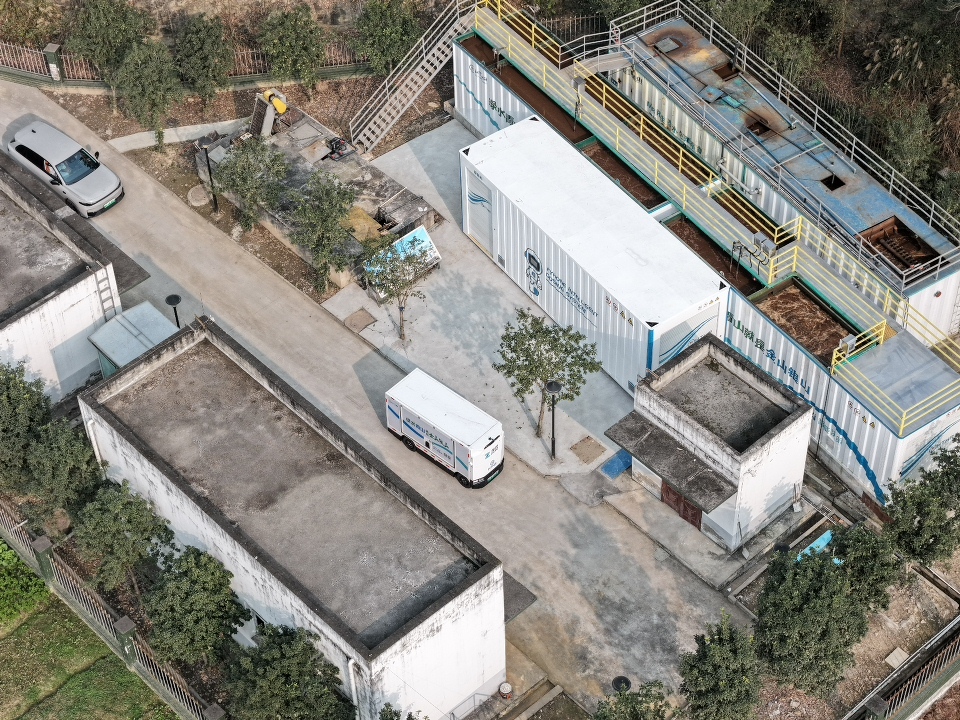
The World Bank’s estimate is even more direct: merely raising the nationwide wastewater network coverage to a universal level would require about $14 billion in investment.
This is not an ordinary engineering problem.
The real issue: not money, but “management methods”
For a long time, outsiders have attributed Egypt’s wastewater treatment challenges to a lack of funds. A closer look reveals a more structural problem—aging facilities, redundant labor, manual billing, lack of real-time monitoring, overlapping institutional functions… This operational system, reliant on human experience, cannot keep pace with the accelerated urbanization and continuous population growth.
Simple expansion cannot bridge the gap. Egypt needs a fundamental leap in operational models.
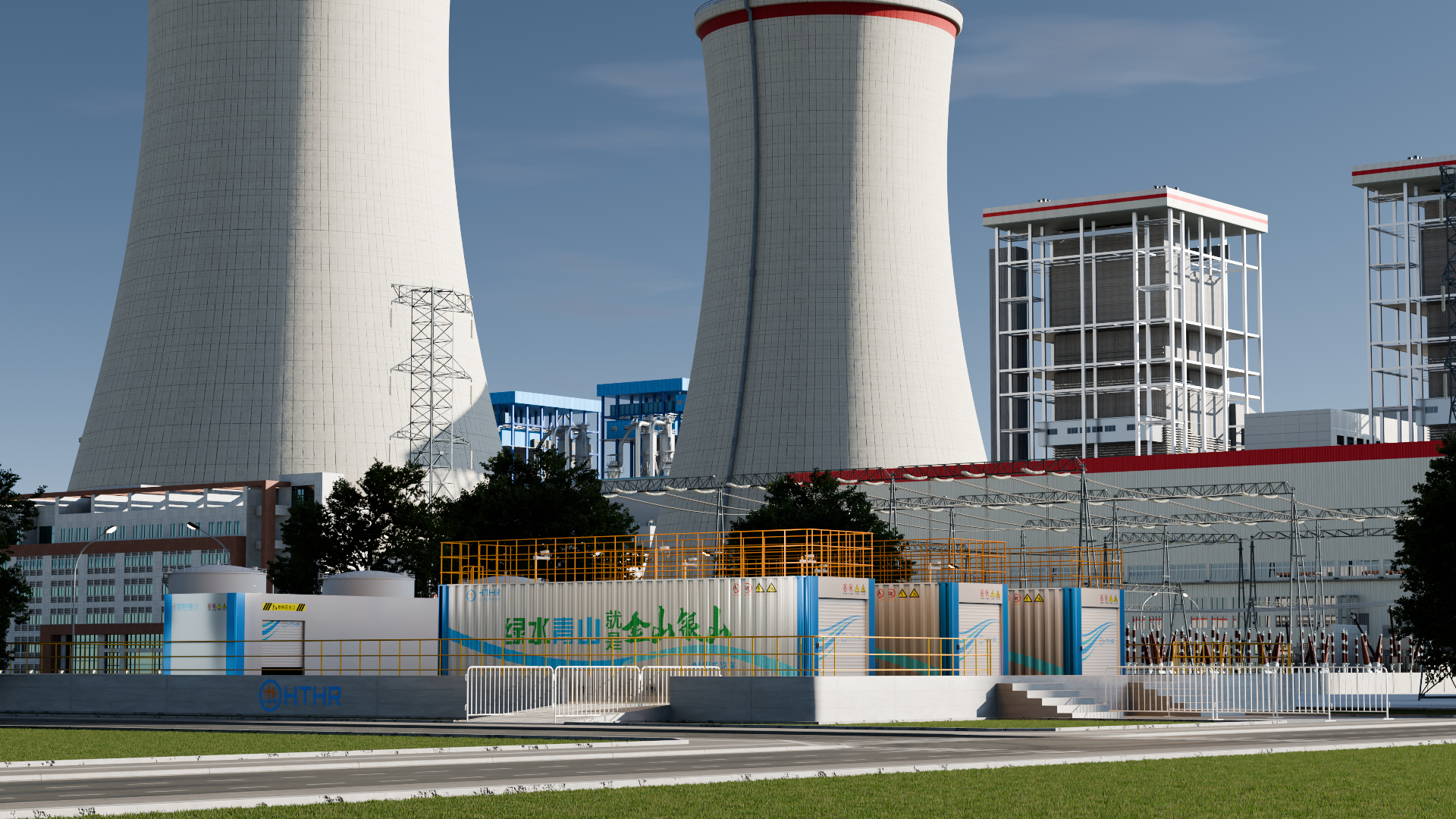
FyhoneOS Intelligent Integrated Wastewater Treatment Equipment: AI-Driven Systemic Solution
The AI-powered FyhoneOS intelligent integrated wastewater treatment equipment is specifically designed for scenarios like Egypt’s.
Real-time intelligent control replaces human dependence. The FyhoneOS continuously monitors water quality and equipment status, automatically adjusting treatment parameters, with abnormal alert responses reduced to seconds. This not only lowers operating costs but also enhances equipment stability beyond what traditional manual management can achieve.
Modular deployment solves rural coverage challenges. The highly integrated, compact equipment can be quickly deployed in dispersed rural locations without relying on large-scale network infrastructure investment—directly addressing the core pain point of Egypt’s severely insufficient rural coverage.
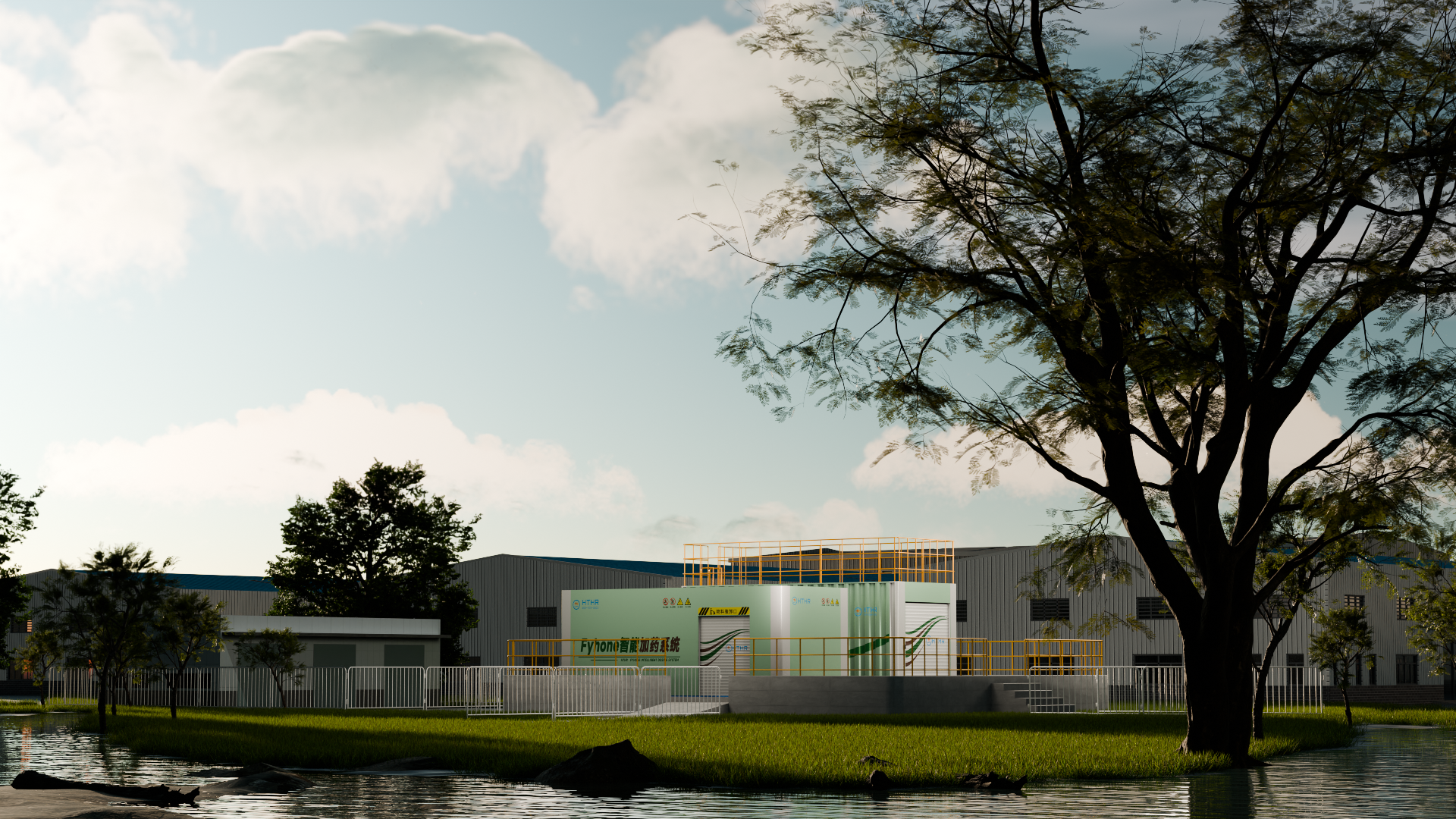
Tertiary treatment output aligns with the reclaimed water strategy. The effluent meets irrigation and industrial reuse requirements, fully compatible with Egypt’s “2030 Reclaimed Water Strategy,” helping this water-scarce country turn wastewater from a “burden” into a “resource.”
Sludge resource utilization eliminates environmental hazards. The built-in sludge stabilization module addresses the persistent issue of 85% of sludge being improperly disposed of, achieving harmless treatment, and can further be converted into agricultural organic fertilizer, forming a closed-loop resource cycle.
Policy tailwinds have arrived, and the window is opening
In recent years, the Egyptian government has introduced a series of policies injecting strong momentum into this market:
- The “National Water Resources Plan 2017–2037” with a total investment of approximately $17.7 billion, focusing on wastewater infrastructure construction.
- The “2030 Reclaimed Water Strategy” explicitly plans pathways for agricultural use of reclaimed water, creating direct policy demand for tertiary treatment equipment.
- The government has set a 2030 expansion target with a daily treatment capacity of 7.25 million cubic meters, highlighting a huge capacity gap.
- The Planning Ministry requires that by 2030, 75% of public investment be directed to green sectors, giving intelligent energy-saving equipment priority procurement qualifications.
- The EU, World Bank, and USAID continue to inject funds. PPP and BOT models fully open cooperation windows to private technology providers.
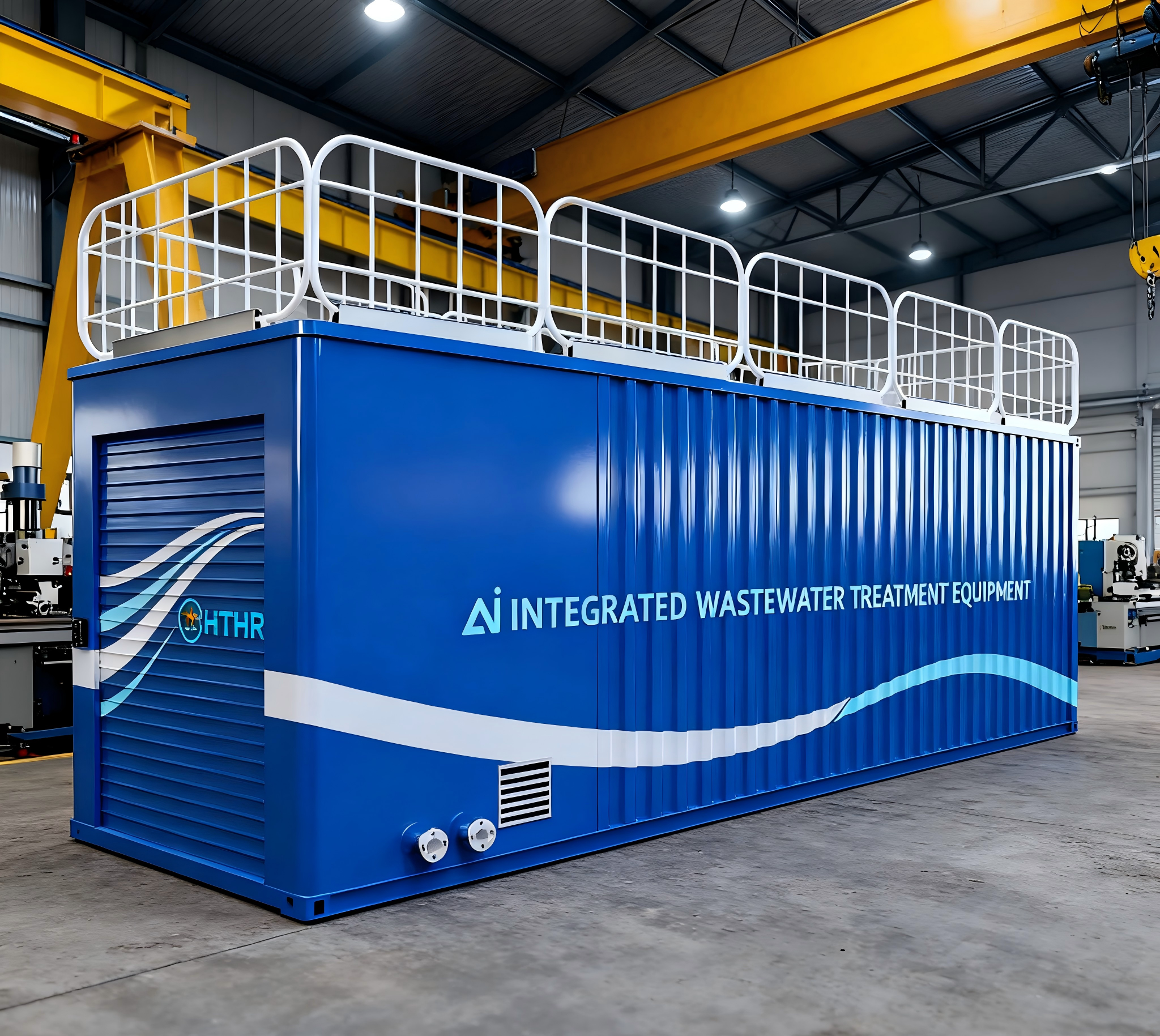
Policy, funding, and demand converge—this is a once-in-a-lifetime market entry point.
Egypt’s water crisis is essentially an “efficiency crisis.” The resources exist, but a large portion is lost in inefficient management and treatment chains.
FyhoneOS intelligent integrated wastewater treatment equipment replaces human reliance with AI-driven control, solves rural coverage issues through modular deployment, and aligns tertiary effluent with national reclaimed water strategy. It is not patching a broken system but providing a new operational logic.
For Egypt’s most urgent infrastructure needs, here is the answer.





 hthrjt2017@gmail.com