Hongtai Huarui Technology Group welcomes your visit. We have been dedicated to the environmental protection and governance industry for over a decade! We look forward to a cooperation with you!

Malaysia's Sewage Treatment Industry: Strategic Transformation, Regional Pain Points and Targeted Technology Solutions
  • release date: 2026-03-11 11:27:27
  • author: Hongtai Huairui
  • Reading: 993
  • key words: Malaysia /WaterTreatment /IndustrialWastewater /SmartTech /Sustainability/DAF /AWastewater
introduction:
A tight deep dive into Malaysia’s wastewater infrastructure gap, industry pain points, and targeted tech solutions for Southeast Asian industrial sustainability.

Strategic Overview: A Sector at a Pivotal Inflection Point

Malaysia’s wastewater treatment sector is undergoing a critical strategic overhaul, driven by rapid urbanization and binding national policy. With a 78% urbanization rate (DOSM, 2023) and the 12th Malaysia Plan’s mandate to lift treatment coverage from 65% to 90% by 2030, demand for compliant infrastructure is surging.
Yet a stark gap remains between policy goals and on-site operational capacity across key industrial hubs, exposing businesses to compliance risks and crippling inefficiencies.
Malaysia /WaterTreatment /IndustrialWastewater /SmartTech /Sustainability/DAF /AWastewater

Strategic Overview: A Sector at a Pivotal Inflection Point

Malaysia’s wastewater treatment sector is undergoing a critical strategic overhaul, driven by rapid urbanization and binding national policy. With a 78% urbanization rate (DOSM, 2023) and the 12th Malaysia Plan’s mandate to lift treatment coverage from 65% to 90% by 2030, demand for compliant infrastructure is surging.
Yet a stark gap remains between policy goals and on-site operational capacity across key industrial hubs, exposing businesses to compliance risks and crippling inefficiencies.

Regional Challenges: Key Industrial Hub Pain Points

Klang Valley (Kuala Lumpur / Selangor)

Home to 2,000+ riverside manufacturers, this region relies on aging treatment systems that fail the Environmental Quality Act (Amendment 2012) discharge standards. Operators face steep non-compliance fines, rising operational costs, and disrupted daily production.
Note: Facility counts are indicative; verify via DOE’s latest industrial register.
 
Malaysia /WaterTreatment /IndustrialWastewater /SmartTech /Sustainability/DAF /AWastewater

Penang

As a global electronics manufacturing hub, Penang enforces ultra-high-purity discharge rules for high-salinity, complex wastewater. Conventional equipment is ineffective, and costly imported membrane systems lack adaptive controls, delivering unreliable compliance and bloated OPEX.

Johor

Bilateral water agreements with Singapore have raised cross-border effluent standards to new heights. Fragmented, low-efficiency treatment setups are no longer fit for large-scale cross-border industrial operations, risking partnership disruptions.

Core Industry Pain Points

1. Legacy Infrastructure Failures

Aging plants suffer from poor sludge removal, excessive energy use, and unstable performance, unable to handle rising wastewater volumes.

2. Reactive Manual Operations

No real-time water quality monitoring leads to delayed responses, frequent downtime, and heavy regulatory penalties.

3. Scalability Gaps for SMEs

Bulky fixed systems exclude small and medium enterprises, creating uneven compliance across industrial zones.

Targeted Technical Solutions

High-Efficiency DAF Units (Klang Valley Focus)

Malaysia /WaterTreatment /IndustrialWastewater /SmartTech /Sustainability/DAF /AWastewater

Built for high-intensity industrial wastewater, these modular units deliver fast, compliant pretreatment:
  • Rapidly removes solids, oil, grease and sludge
  • Cuts membrane fouling and pretreatment load
  • Aligns with local environmental regulations
  • Compact design enables low-disruption factory retrofits

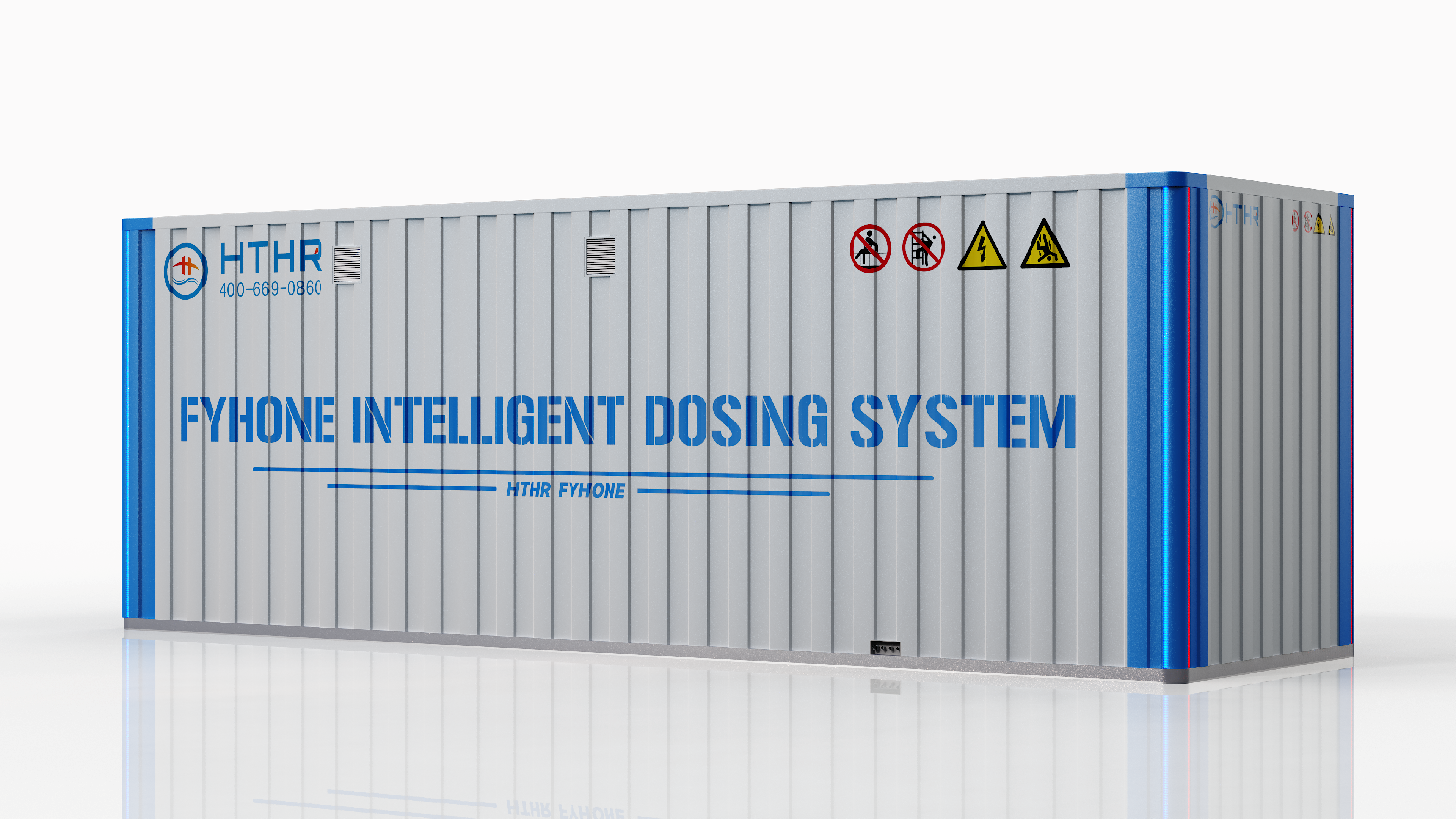
AI-Powered Smart Treatment Systems (Penang & Johor Focus)

Next-gen intelligent equipment solves precision compliance and cross-border requirements:
  • AI-driven real-time parameter optimization for fluctuating water quality
  • Slashes energy/chemical costs and lowers OPEX
  • 24/7 remote monitoring + guaranteed stable effluent compliance
  • Modular, scalable design adapts to stricter future rules

Malaysia /WaterTreatment /IndustrialWastewater /SmartTech /Sustainability/DAF /AWastewater

A new generation of intelligent processing systems accurately breaks the strict requirements of high-end electronics manufacturing and cross-border compliance:

  • Equipped with AI real-time decision-making system to automatically optimize operating parameters based on inlet water quality
  • Significantly reduce energy consumption and drug consumption,

cut operating costs

  • Remote monitoring of the entire process to achieve stable water discharge standards within 24 hours a day
  • Modular and scalable architecture to adapt to increasingly stringent environmental policies in the future

Strategic Opportunity

The window to tap Malaysia’s wastewater infrastructure upgrade demand is wide open. High-efficiency, compliant smart treatment is not optional — it’s a strategic imperative for industrial sustainability and regulatory adherence across Southeast Asia.
Let’s connect to build customized solutions for the region’s water sustainability transition.

Data References

  • Department of Statistics Malaysia (2023)
  • 12th Malaysia Plan (2021–2025)
  • Environmental Quality Act 1974 (Amendment 2012)
Facility estimates are indicative only; refer to DOE for official data.
the overview of this text: